Diani vs Mombasa: Where Smart Money Investors Are Putting Their Money
The numbers tell an incredible story: while beachfront properties elsewhere have skyrocketed beyond reach for many investors, Kenya continues to offer entry points that seem almost too good to be true. But this window of opportunity won't stay open forever. International recognition is growing, infrastructure is improving, and early investors are already seeing impressive returns.

Here's what the smart money already knows ; while most investors are chasing overvalued properties in crowded markets, there's a select group quietly building impressive portfolios in a destination that combines five-star luxury with emerging market pricing. They're not gambling on some untested location or compromising on quality for affordability.
Instead, they've discovered Diani Beach, Kenya. A world-class coastal destination that offers the rare combination of established tourism infrastructure, stunning natural beauty, and property prices that still make financial sense. This isn't about following the crowd or jumping on the latest investment trend. It's about recognizing a fundamental market opportunity that exists when a destination has all the ingredients for long-term success but hasn't yet reached mainstream investor consciousness.
Diani Beach checks every box: pristine beaches that rival the world's best, a growing luxury tourism sector, improving infrastructure, and a stable political environment, all while maintaining property prices that allow for both strong rental yields and significant capital appreciation potential.
Market Positioning: Commercial Hub vs. Tourist Haven
Mombasa and Diani Beach serve different economic functions and target different markets.
Mombasa: The Commercial and Residential Anchor
Mombasa is Kenya's second-largest city and the economic anchor of the coastal region. Its real estate market is driven by commercial, industrial, and residential demand, typically focused on long-term rentals for the local working population. The market is mature, stable, and less volatile than pure tourism-driven areas.
The city's commercial office sector recorded average rental yields of 5.1% in recent years, with retail performing better at 8.3%. Residential rental yields average around 5.1%, with the upper mid-end segment reaching 5.6%.
Diani Beach: The High-End Tourist Haven
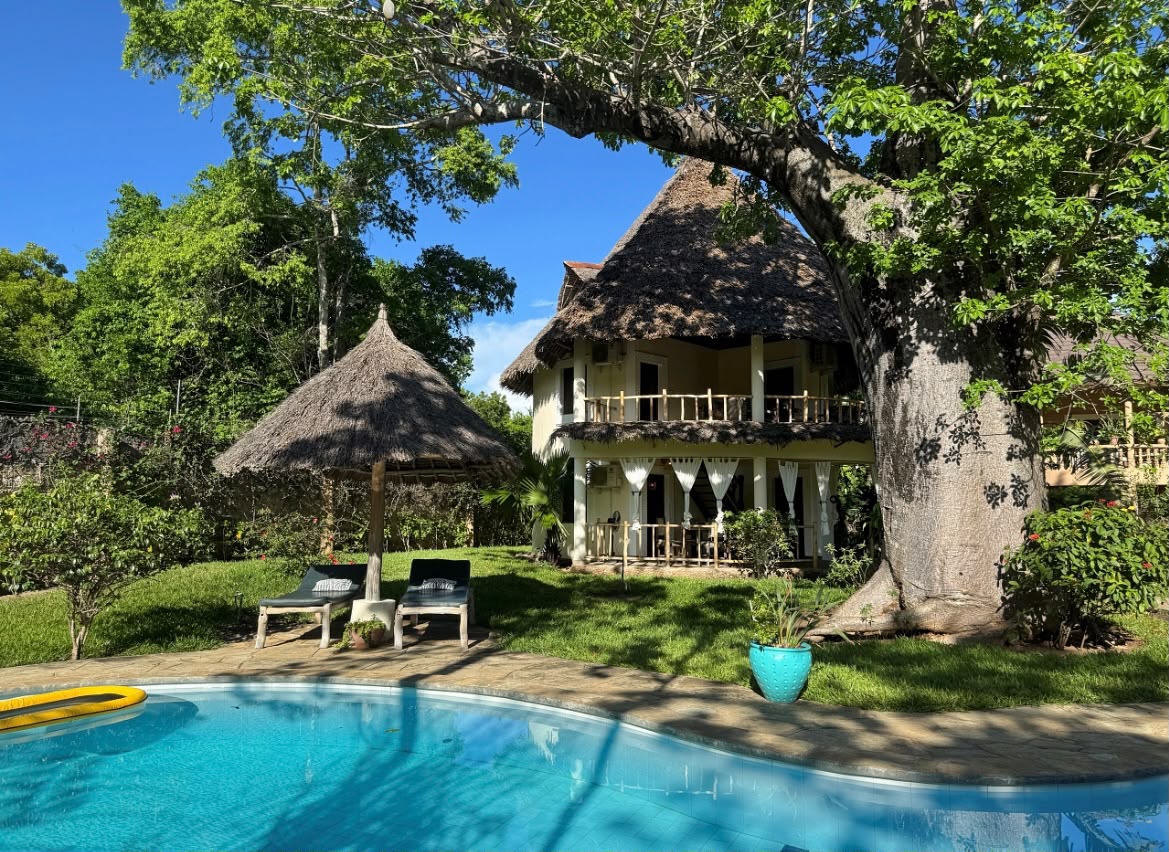
Diani Beach, south of Mombasa, is a globally recognized luxury tourist destination. Its real estate market focuses heavily on high-end holiday homes, luxury villas, and serviced apartments. The market positions itself in the high-end, high-yield category, attracting international buyers seeking strong short-term rental income from tourism.
Properties in Diani generate rental yields between 7% and 10% for well-positioned assets, with peak season occupancy reaching 85%.
Return on Investment Comparison
ROI profiles for both locations reflect their market drivers.
Diani: Superior Rental Yield from Tourism
Diani's ROI comes primarily through superior short-term rental yields. High demand for holiday rentals and premium rates for luxury villas often result in higher gross rental yields than Mombasa's long-term residential market.
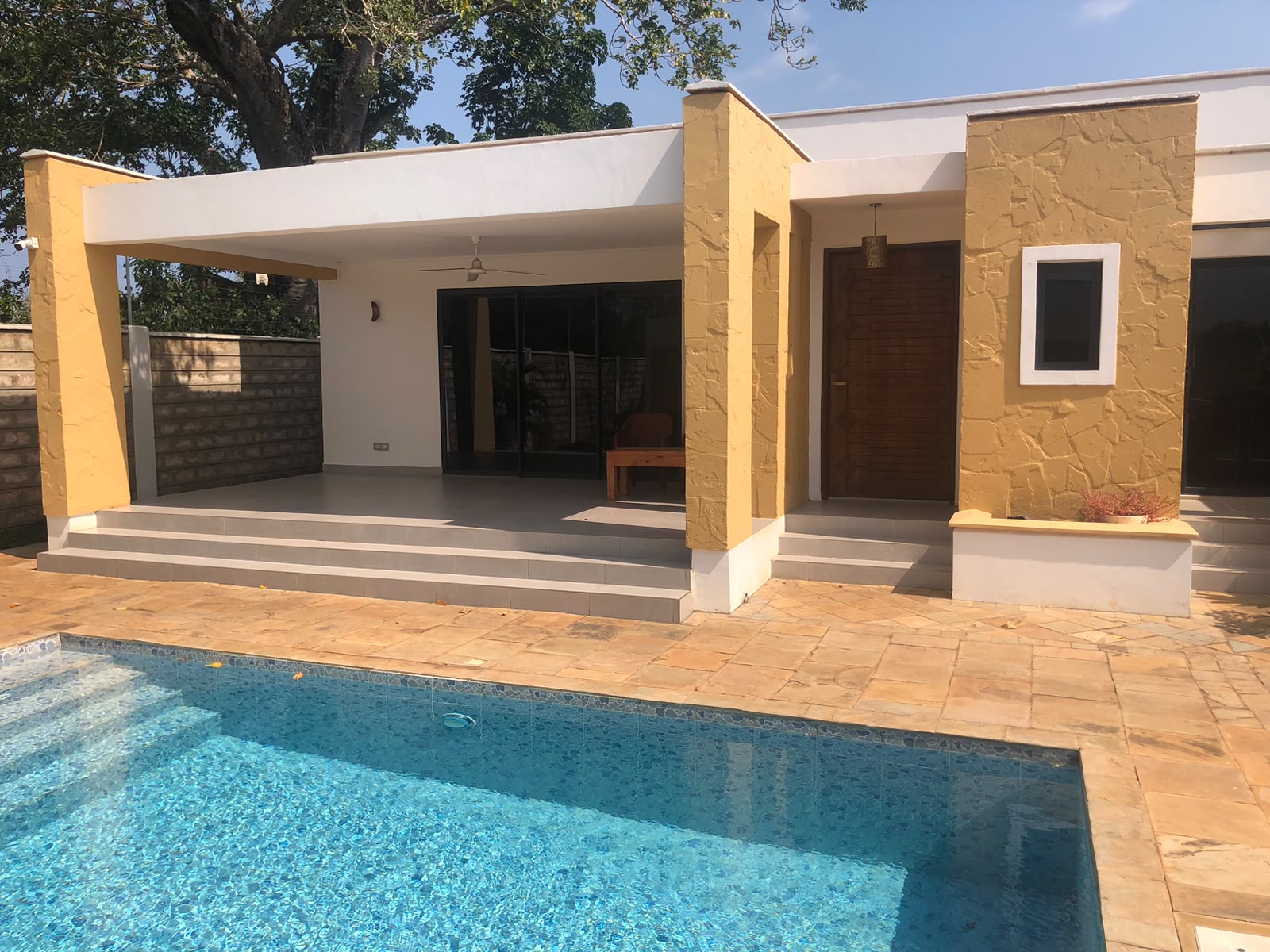
Average Airbnb rates run around $63 per night, with weekly stays averaging $440. Properties with pools, beach access, and modern amenities generate 7-10% rental yields.
The market can be seasonal. High returns during peak season compensate for slower periods. Peak season occupancy reaches 85%, creating strong income potential despite seasonal variation.
Mombasa: Capital Appreciation and Commercial Yield
Mombasa's ROI comes from long-term capital appreciation and stable commercial rental yields.
Residential rental yields are generally low. The high-end market in Nyali and Kizingo recorded just less than 3% rental yields with about 60% occupancy rates. These low yields reflect that high-end units are out of reach for most Mombasa residents, who earn below KES 50,000 monthly.
The upper mid-end segment performs better, achieving 5.6% rental yields with 82.6% occupancy rates. This segment attracts investors purchasing apartments to rent to the growing middle class and long-stay international visitors.
Commercial real estate provides more stable returns.
Mombasa's status as a commercial hub creates constant demand for commercial and industrial properties. These provide more stable returns than Diani's tourism sector, though residential yields remain underwhelming.
Infrastructure and Accessibility
Diani's Advantages
The expanded Ukunda Airstrip now handles larger aircraft and more flights from Nairobi. The Dongo Kundu Bypass cut travel time from Mombasa to 30 minutes, eliminating the Likoni Ferry bottleneck.
This superior accessibility makes Diani attractive to both tourists and permanent residents. Properties benefit from easier access to Mombasa's port, airport, and amenities while maintaining beach proximity.
Mombasa's Challenges
Mombasa faces infrastructure challenges. The narrow Nyali Bridge and congested roads make the city center unattractive for commercial real estate due to traffic problems. Insufficient capacity at Likoni Ferries affects Mombasa South's tourism and accessibility.
Limited water and sewerage systems in areas like Likoni and Tudor impede real estate investments. The county lacks sufficient development land, with a population density of 5,532 persons per square kilometer compared to Kenya's national average of 83.
Market Dynamics and Demand
Diani's Tourism-Driven Market
Diani attracts international tourists year-round. The beach ranks consistently among Africa's best, supporting strong occupancy rates. Tourism creates immediate rental income but also brings seasonal variation.
You're buying into a proven market with established booking patterns. Competition is intense, so you need to differentiate your property to command premium rates.
Mombasa's Diverse Economy
Mombasa's economy doesn't rely solely on tourism. The port, commercial activities, manufacturing, and services create diverse demand for property. This diversification provides stability but typically generates lower yields on residential property.
The city serves as a regional commercial hub. Businesses need office space, warehouses, and retail locations. This commercial demand provides more stable returns than tourism-dependent markets.
Investment Performance Reality Check
Mombasa's residential sector has shown declining performance. Average total returns to investors dropped to 7.2% from 7.9% in previous years. This decline stems from:
Rental yields falling to 5.1% from 6.3%
Increased vacancies as new developments exceed demand
Many new units are priced beyond what most Mombasa residents can afford
Diani's tourism-focused market delivers higher immediate yields but requires accepting seasonal income variation. Properties perform strongly during peak season but may see reduced income during low periods.
Which Location Fits Your Investment Strategy?
Your choice depends on risk appetite and investment horizon.
Choose Diani If:
You prioritize high cash flow from tourism
You want luxury tourism exposure
You're targeting international guests through Airbnb and vacation rentals
You can manage seasonal income variation
You have capital for higher initial investment
You want a premium lifestyle asset that generates income
You prefer proven tourism infrastructure with established demand
Choose Mombasa If:
You seek market stability over maximum yields
You want long-term capital appreciation
You're interested in commercial or industrial property
You prefer year-round income from long-term tenants
You want exposure to a diversified urban economy
You're looking for lower entry prices (outside prime areas)
You can accept lower residential yields for stability
You want to avoid tourism-dependent income
Before you go...
Diani Beach provides higher cash flow through superior rental yields. You're buying into a luxury tourism market with proven demand and strong seasonal performance. Properties generate 7-10% rental yields when properly managed. The trade-off: higher entry costs and seasonal variation.
Mombasa provides market stability and economic diversification. The city's commercial sector provides more stable returns than its residential market. Residential yields are modest (2.7-5.6%), but year-round occupancy from local tenants reduces risk. Commercial and retail properties perform better with 5.1-8.3% yields.
Smart money in 2025 recognizes that both markets serve different purposes. Diani suits investors prioritizing immediate income from luxury tourism. Mombasa appeals to those seeking stable, diversified investments in an urban economy.
Consider your investment timeline and risk tolerance. If you want immediate returns from tourism and have higher capital, Diani delivers. If you're building long-term wealth through stable, diversified urban property with lower volatility, Mombasa provides a less tourism-dependent investment profile.